Understanding FCC Regulations and Their Importance
In an increasingly interconnected world, compliance with regulatory standards is crucial for businesses that develop and market electronic devices. The Federal Communications Commission (FCC) plays a vital role in regulating telecommunications and ensuring that electronic devices operate within established guidelines, particularly regarding electromagnetic compatibility (EMC). Understanding these regulations is essential for manufacturers aiming to enter the market smoothly and efficiently. When exploring options, FCC compliance becomes a pivotal part of the design and testing process for electronic products.
What is the FCC and Its Role in Electronics?
The FCC, established in 1934, is an independent agency of the United States government responsible for regulating interstate and international communications through various mediums including radio, television, wire, satellite, and cable. One of its primary functions is to manage the electromagnetic spectrum, a limited and valuable resource necessary for communication technologies. The FCC’s regulations ensure that devices do not interfere with one another, particularly in an age where wireless communication is prevalent. For electronic manufacturers, understanding the FCC’s guidelines is essential for obtaining the necessary approvals for their products.
Key FCC Regulations for EMC Compliance
To ensure devices operate safely and efficiently without disrupting other electronic devices, the FCC has established several key regulations pertinent to EMC compliance. These include:
- Part 15: Governs unlicensed transmissions and outlines emissions limits for unintentional radiators.
- Part 18: Covers industrial, scientific, and medical (ISM) equipment emissions.
- Part 90: Regulates the licensing of various types of radio communications, including private land mobile radio services.
Manufacturers must ensure their products meet these standards to avoid penalties and ensure successful market entry.
The Impact of Non-Compliance on Businesses
Failure to comply with FCC regulations can lead to severe repercussions for businesses. Beyond the potential for fines and legal actions, non-compliance can result in products being barred from sale, reputational damage, and loss of customer trust. Moreover, rectifying compliance issues often results in increased costs and delays in product launches, directly impacting profitability. Therefore, understanding and integrating FCC compliance into the product development lifecycle is not just advisable but essential for sustained business success.
How Stancer Testing-Lab Ensures Compliance
Stancer Testing-Lab offers a comprehensive suite of services designed to help companies navigate the complexities of FCC compliance. With advanced testing facilities and a team of experienced professionals, Stancer ensures that clients meet all necessary regulatory standards efficiently and effectively.
Overview of Stancer’s Testing Capabilities
Stancer Testing-Lab specializes in a variety of testing services essential for obtaining FCC compliance. These include:
- Radiated Emission Testing: Evaluates how much electromagnetic energy a device emits into its environment.
- Conducted Emission Testing: Assesses the electromagnetic energy that travels along connecting cables.
- Immunity Testing: Tests how well devices resist electromagnetic interference from external sources.
These services are critical for any product manufacturer looking to ensure that their devices do not cause or suffer from interference.
Advanced Facilities for Accurate Testing
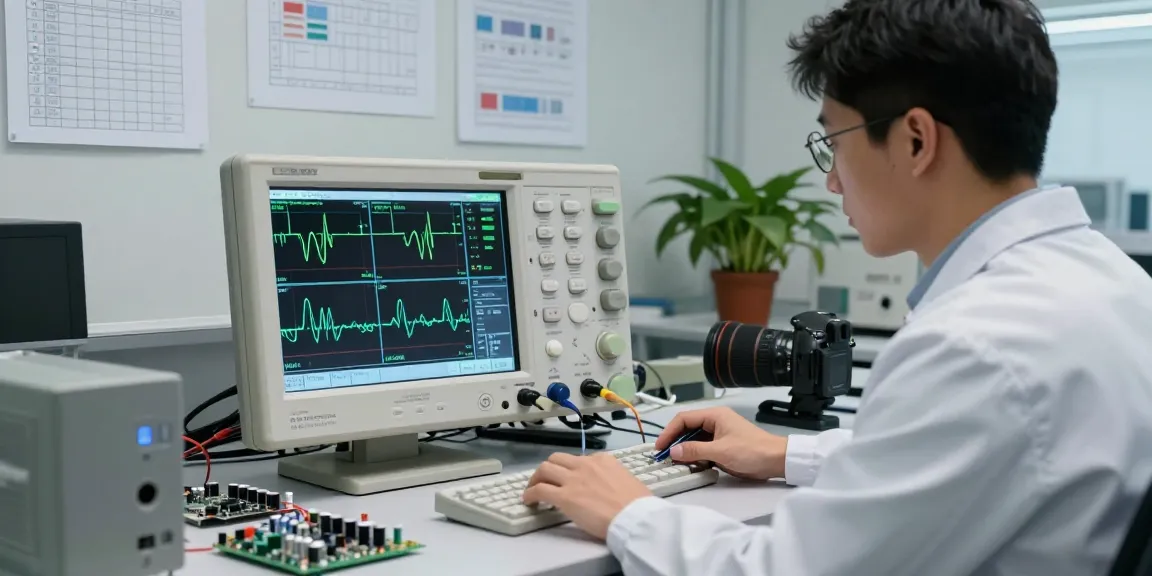
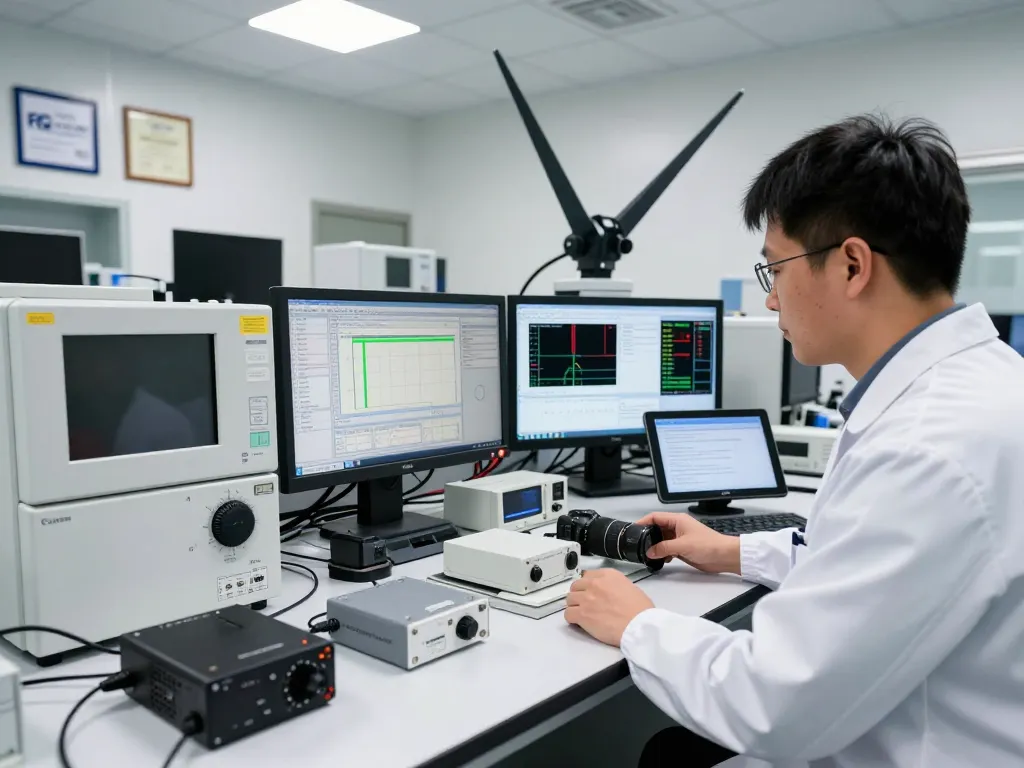
Stancer Testing-Lab is equipped with state-of-the-art technology and facilities designed for precise testing. Our chambers meet international standards for EMC testing, ensuring reliable results that align with FCC regulations. The investment in advanced technology allows us to streamline the testing process, reducing turnaround times and enhancing the accuracy of results.
Importance of Consultation in the Testing Process
Consultation is a key component of the testing process at Stancer. Our experts begin with an in-depth consultation to understand the specific needs of your product. This includes evaluating its intended use, market demands, and initial design. By collaborating closely with clients, we can identify potential compliance issues early in the development process, significantly reducing the risk of costly delays later on.
Common Challenges in Achieving FCC Compliance
While seeking FCC compliance, manufacturers often face several challenges that can complicate the certification process.
Identifying Potential Compliance Gaps in Products
One of the most significant challenges is identifying compliance gaps before testing. Many manufacturers may not be fully aware of all the regulations that apply to their products or the specific aspects of their design that may cause issues. This lack of understanding can result in unexpected failures during testing, necessitating redesigns and retesting.
Overcoming Technical Barriers to Testing
Technical barriers such as complex product designs, innovative technologies, and unanticipated interference can hinder compliance testing. Manufacturers must work closely with testing laboratories to ensure that they understand both the technical requirements and how to achieve them effectively.
Managing Time and Costs in the Compliance Journey
Time and cost management are critical in the compliance journey. The process of achieving compliance can be lengthy and expensive if not managed properly. Manufacturers must allocate sufficient time and resources for testing and potential redesigns to minimize risks and avoid delays in product launch timelines.
Strategies for Successful FCC Certification
Achieving FCC certification is a structured process that requires careful planning and execution. Here are essential strategies for ensuring success.
Step-by-Step Guide to the Certification Process
- Initial Consultation: Engage with experts to assess product specifics and compliance requirements.
- Pre-Testing Assessment: Conduct a preliminary internal review of the product to identify potential issues.
- Formal Testing: Submit the product for formal testing at an accredited laboratory.
- Review Results: Analyze testing results and identify any areas that require redesign.
- Resubmission if Necessary: Make the necessary modifications and retest until compliance is achieved.
- Certification Application: Once compliant, submit application for certification to the relevant authorities.
Utilizing Expert Consultation for Design Modifications
Employing the services of experts during the design phase can significantly enhance the likelihood of compliance. Expert consultants can provide insights on how to modify designs proactively, thus saving time and costs associated with later-stage alterations. Understanding the FCC’s electromagnetic emission limits from the outset allows manufacturers to create products that meet these requirements without excessive delays.
Post-Certification Steps for Continuous Compliance
Once a product is certified, the responsibility for compliance does not end. Continuous compliance monitoring and periodic testing are necessary to ensure that the product remains within regulatory standards, especially if design changes are made or if new, related products are developed. Establishing a compliant culture within the organization fosters proactive responsibility for ongoing adherence to the FCC regulations.
Future Trends in FCC Regulations and Compliance
The landscape of FCC regulations is constantly evolving, and manufacturers must stay informed about changes that may impact their compliance obligations.
Emerging Technologies Impacting Compliance Standards
As technological advancements continue to unfold, particularly in areas like 5G, Internet of Things (IoT), and smart devices, the FCC is likely to adjust its regulations to address new challenges. Manufacturers must remain agile, adapting their products and compliance strategies to these changes to maintain competitiveness in the market.
Predicted Changes in FCC Regulations by 2026
Looking ahead, we can expect enhancements in the FCC’s regulations to address issues related to increased connectivity and potential interference between devices. Anticipating these changes enables manufacturers to incorporate compliance considerations from the product inception stage.
Importance of Staying Updated on Compliance Requirements
Continual education on compliance requirements is vital for manufacturers and stakeholders in the electronics industry. Regularly reviewing FCC updates, participating in industry seminars, and engaging with compliance experts can help ensure that organizations are not caught off guard by new regulations that may affect their products.
What is FCC Compliance Testing?
FCC compliance testing involves evaluating electronic devices to ensure they meet established electromagnetic compatibility standards. This process ensures that products do not emit excessive electromagnetic interference and can function correctly within their intended environment.
How can Stancer Testing-Lab help with FCC Certification?
Stancer Testing-Lab provides comprehensive testing services tailored to help manufacturers meet FCC compliance standards efficiently. Our expert analysis and advanced facilities facilitate a smoother certification process, ensuring timely market entry for your products.
What industries require FCC compliance?
FCC compliance is essential across various industries, including telecommunications, automotive, medical devices, and consumer electronics. Each industry faces specific challenges and requirements regarding electromagnetic compatibility, making specialized compliance testing crucial.
What are the benefits of working with an accredited laboratory?
Working with an accredited laboratory like Stancer Testing-Lab ensures that testing procedures comply with the highest standards of quality and reliability. Accreditation provides confidence in the testing results and can expedite the certification process by demonstrating compliance to regulatory bodies.
How can I expedite my testing and certification timeline?
To expedite your testing and certification timeline, engage with consultants early in the product development process. Utilizing expert advice for design modifications and understanding compliance requirements from the outset can significantly reduce the time taken for testing and certification.