
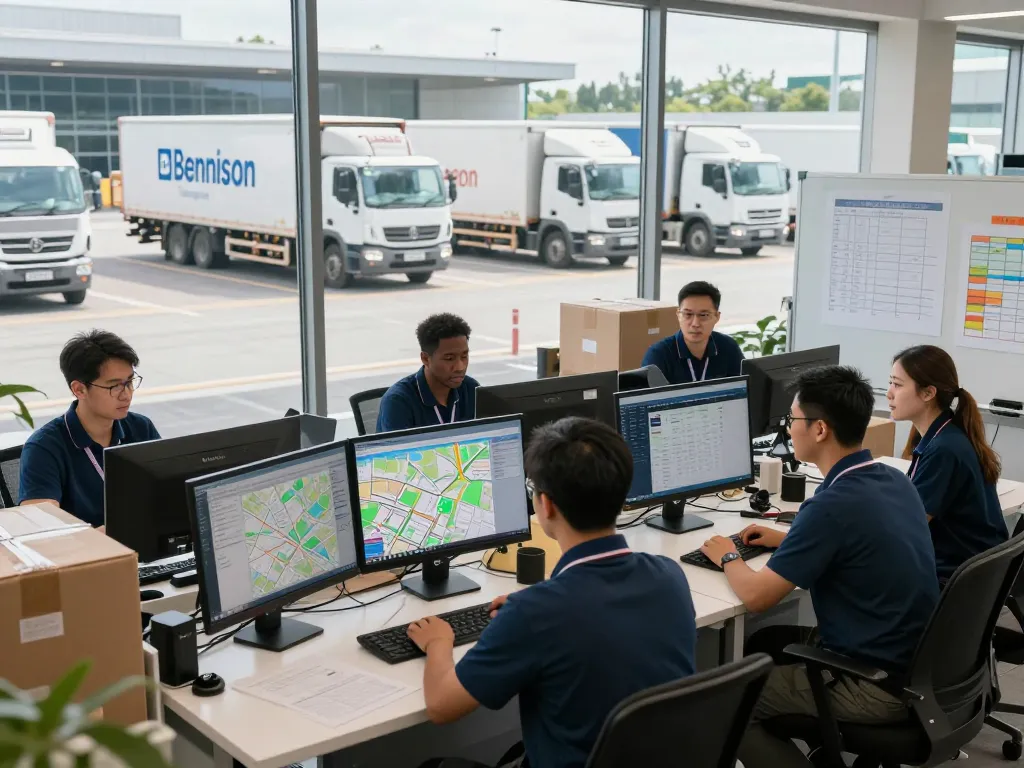
Understanding Time Critical Transport Solutions
In an increasingly fast-paced world, the demand for efficient and reliable transport services has never been greater. Companies across various industries rely on logistics providers that can offer time critical transport solutions to ensure their goods arrive at their destination without delay. Whether it’s delivering medical supplies, machinery, or essential components, time is often of the essence. This article explores the intricacies of time critical transport, highlighting its features, challenges, and best practices to implement in logistics management.
What is Time Critical Transport?
Time critical transport refers to logistics services that prioritize speed and reliability, ensuring that shipments are delivered as quickly as possible. This may involve expedited shipping routes, real-time tracking, and immediate response capabilities. Companies specializing in this area understand the importance of time-sensitive deliveries and have developed systems to meet clients’ urgent needs.
Key Features of Time Critical Services
- 24/7 Availability: Round-the-clock operations to meet urgent requests at any time of day or night.
- Rapid Collection: Ability to collect loads typically within an hour of request, ensuring minimal downtime.
- Real-Time Tracking: Advanced tracking systems that allow customers to monitor their shipments at every stage of the transport process.
- Dedicated Fleet: A diverse range of vehicles tailored for different load sizes and types, equipped with the necessary technology for safe transport.
- Insurance Coverage: Comprehensive insurance policies that provide peace of mind for clients by safeguarding their goods during transport.
The Importance of 24/7 Availability
The operational demands of many industries often require logistics solutions that can adapt to unexpected changes or emergencies. A reliable time critical transport provider is one that operates 24/7, ensuring they are always prepared to respond to urgent requests. This level of availability is crucial for businesses in sectors such as healthcare, manufacturing, and retail, where a delay in delivery can have significant consequences.
Challenges in Time Critical Logistics
While the benefits of time critical transport are evident, several challenges can complicate operations. Understanding these obstacles is essential for logistics providers to develop effective strategies to mitigate risks and ensure timely deliveries.
Common Obstacles in Delivery Times
- Traffic and Weather Conditions: Unpredictable factors such as traffic congestion and severe weather can significantly impact delivery schedules.
- Regulatory Issues: Different regions may have varying laws and regulations that affect transport logistics, requiring adaptability and compliance.
- Capacity Constraints: During peak seasons, the demand for transport services can exceed available resources, leading to delays.
Mitigating Risks and Delays
To combat potential delays, logistics providers must implement proactive measures, such as route optimization software and contingency planning. By anticipating possible challenges and preparing alternative transport solutions, companies can minimize the risk of late deliveries. Regular communication with clients also helps to manage expectations and keep them informed of any potential delays, fostering trust and reliability.
Technological Solutions to Enhance Efficiency
The transport logistics industry has embraced various technological innovations to enhance operational efficiency. From GPS tracking systems that provide real-time data on vehicle locations to automated scheduling tools that optimize routes, technology plays a pivotal role in time critical transport. Additionally, the integration of artificial intelligence can assist logistics providers in predicting delays and adjusting their strategies accordingly.
Best Practices for Time Critical Transportation
In order to excel in time critical logistics, companies must adhere to best practices that ensure seamless operations and customer satisfaction. This involves strategic planning, fleet maintenance, and continuous training for logistics personnel.
Planning and Optimization Strategies
Effective planning is at the heart of successful time critical transport. This includes identifying peak traffic times, understanding customer delivery windows, and leveraging data analytics to assess route efficiency. Utilizing advanced algorithms can help logistics providers enhance their delivery schedules, reducing idle time and maximizing fleet productivity.
Maintaining Fleet Reliability and Compliance
Fleet maintenance is essential to ensure that vehicles are always in optimal condition. Regular inspections and servicing help to avoid breakdowns and delays. Furthermore, compliance with industry standards and regulations is critical for maintaining operational integrity and ensuring both safety and reliability.
Training Drivers for Timely Deliveries
Investing in driver education is crucial for maintaining a top-tier service. Training programs focused on time management, efficient driving techniques, and customer service can significantly enhance the delivery experience. Drivers who understand the importance of their role in the logistics chain are more likely to adhere to schedules and provide exceptional service.
Real-World Examples of Successful Time Critical Logistics
To illustrate the effectiveness of time critical transport solutions, it is helpful to examine real-world case studies from leading companies that have successfully navigated the complexities of logistics.
Case Studies from Leading Companies
Numerous organizations across industries have recognized the value of time critical transport. For instance, a major pharmaceutical company recently partnered with a logistics provider to ensure the timely delivery of life-saving medications. By employing real-time tracking and dedicated delivery teams, the company was able to significantly reduce delivery times, resulting in improved patient outcomes.
Lessons Learned from Time Sensitive Deliveries
One of the key lessons learned from successful time sensitive deliveries is the importance of adaptability. The changing landscape of logistics requires companies to be flexible, constantly reviewing and adjusting their procedures based on customer needs and real-time data. This ability to pivot quickly often leads to enhanced service levels and greater customer satisfaction.
Innovative Solutions Implemented by Industry Leaders
Industry leaders continue to roll out innovative solutions to enhance their time critical offerings. For example, the adoption of drone technology for last-mile delivery has shown promising results in urban environments, significantly reducing delivery times and costs. Similarly, companies are investing in blockchain technology to improve transparency and traceability within their supply chains, yielding increased efficiency and trust among stakeholders.
The Future of Time Critical Transport Solutions
As we look ahead to 2026 and beyond, the field of time critical transport is poised for transformation. Emerging technologies and evolving customer expectations will shape the future of logistics in significant ways.
Trends and Predictions for 2026 and Beyond
Anticipated trends include an increased reliance on automation and AI to streamline logistics processes. Predictions also suggest that sustainability will become a driving force in transport solutions, with companies adopting eco-friendly practices as consumer awareness of environmental issues continues to grow. This may include the use of electric vehicles and optimized logistical networks to reduce carbon footprints.
How AI and Automation Will Transform Logistics
The integration of artificial intelligence into logistics is expected to revolutionize the industry by facilitating predictive analytics and enhancing operational efficiency. Automation tools can streamline routine tasks, allowing logistics providers to focus on strategic planning and customer engagement. As these technologies advance, they will play an essential role in ensuring timely deliveries, reducing costs, and improving overall service quality.
Preparing for Evolving Customer Demands
As technology evolves, so do customer expectations. Logistics providers must remain vigilant and responsive to these changes by embracing customer feedback and continuously improving their services. Flexible pricing models, heightened transparency, and enhanced communication channels will be critical in addressing the needs of an informed consumer base.
In conclusion, time critical transport solutions are integral to the efficient functioning of various industries. By understanding the challenges, implementing best practices, and leveraging technological advancements, logistics providers can ensure they remain competitive in a rapidly changing environment, ultimately delivering value and satisfaction to their customers.