
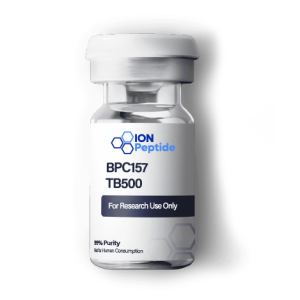
Introduction to Ion Peptide Research Compounds
Peptides have gained significant attention in the field of biomedical research due to their potential applications in various medical conditions. Among these, BPC157 stands out as a notable peptide demonstrating a myriad of therapeutic properties. Understanding peptides and their mechanisms opens up new avenues for treatment and recovery, providing insights into how these compounds can be utilized in regenerative medicine and beyond.
What are Peptides?
Peptides are short chains of amino acids linked by peptide bonds, and they serve as the building blocks of proteins. Comprised of 2 to 50 amino acids, peptides can influence numerous biological processes by acting as hormones, neurotransmitters, and growth factors. Their small size allows them to penetrate cell membranes more readily than larger proteins, making them particularly effective in therapeutic applications. The study of peptides has led to significant advancements in medicine, as researchers explore their potential to address various ailments.
Benefits of Peptide Research
Research on peptides offers a multitude of benefits, including targeted therapeutic options, reduced side effects compared to traditional medications, and the possible ability to treat conditions that are otherwise resistant to conventional treatments. Peptides can contribute to wound healing, act as immunomodulators, and enhance physical performance. Their versatility in medicinal chemistry invites innovations aimed at improving patient outcomes in diverse areas such as oncology, neurology, and regenerative medicine.
Overview of BPC157
BPC157, derived from a protein found in the gastric juice of humans, is known for its remarkable healing properties. Initial studies highlight its ability to promote healing in tendons, muscles, nerves, and bones, sparking interest in its application for sports injuries as well as chronic degenerative conditions. The compound works through several mechanisms, notably in promoting angiogenesis—the formation of new blood vessels—which is critical for effective tissue repair.
Mechanism of Action
How BPC157 Works in the Body
BPC157 exhibits a complex mechanism of action that influences a variety of biological pathways. It enhances nitric oxide production, leading to improved blood flow and accelerated healing. This peptide also increases the synthesis of certain growth factors and promotes fibroblast migration, which is essential for connective tissue repair. Furthermore, BPC157’s ability to modulate inflammatory responses contributes to its potential use in managing chronic pain conditions.
Interactions with Other Compounds
The effects of BPC157 can be augmented by co-administration with other compounds, particularly those involved in the healing process. For instance, combining BPC157 with certain growth factors can enhance tissue regeneration outcomes beyond what each would accomplish alone. Its interaction with substances that increase blood flow and oxygen delivery may also facilitate greater efficiency in healing processes.
Specific Applications in Medicine
The clinical utility of BPC157 spans several applications. It is under investigation for use in treating musculoskeletal injuries, healing ulcers, and supporting recovery from surgical procedures. Additionally, its potential role in neuroprotection and the management of inflammatory diseases is being explored, making BPC157 a significant candidate for advancing treatments in both acute injuries and chronic illnesses.
Potential Benefits of BPC157
Wound Healing and Tissue Repair
BPC157 has been shown to facilitate rapid wound healing by fostering new blood vessel formation and collagen deposition at the wound site. Case studies suggest that it can significantly reduce recovery times for surgical incisions and traumatic injuries. Its potential to enhance the healing of complex tissues, including muscles and tendons, marks it as a valuable agent in sports medicine and rehabilitation.
Anti-inflammatory Properties
In addition to healing, BPC157 possesses anti-inflammatory properties that may relieve pain and swelling associated with injuries and chronic conditions. Research indicates that it can inhibit pro-inflammatory cytokines, thereby promoting a balanced immune response. This capability not only supports overall health but also offers potential benefits for patients suffering from inflammatory disorders.
Support for Digestive Health
Emerging studies have highlighted BPC157’s supportive role in digestive health, particularly in protecting and healing the gastrointestinal tract. It has shown promise in managing conditions such as inflammatory bowel disease (IBD) and gastric ulcers, where its regenerative properties may counteract mucosal injury. This aspect signifies its potential utility in broader applications related to gut health and metabolic disorders.
Research and Studies
Current Findings on BPC157
Recent studies have provided compelling evidence regarding the efficacy of BPC157 in various medical applications. Research involving animal models has consistently shown its ability to enhance recovery from fractures, tendon injuries, and even neurological deficits. Current findings underscore its multifaceted role within the body, from tissue healing and neuroprotection to its contribution to metabolic regulation.
Clinical Trials Overview
Clinical trials are currently underway to further investigate the therapeutic potential of BPC157 across various patient populations. These trials aim to validate the findings from animal studies, focusing on safety, efficacy, and optimal dosing recommendations. Preliminary results are promising, indicating a favorable safety profile and encouraging therapeutic outcomes across a range of indications.
Future Directions in Research
The future of BPC157 research is poised for expansion as scientists explore new therapeutic avenues. Investigations may include its role in regenerative medicine, neurodegenerative diseases, and chronic inflammatory conditions. As our understanding of BPC157’s mechanisms deepens, new applications in personalized medicine may emerge, paving the way for innovative treatment strategies.
FAQs about BPC157
What is the suggested dosage for BPC157?
The suggested dosage of BPC157 varies based on the purpose of use; however, most studies indicate a range between 200 to 500 micrograms per day. Consultation with a healthcare professional is recommended for personalized dosing guidelines.
Are there any side effects associated with BPC157?
Generally, BPC157 is considered safe with minimal side effects. Some users might experience mild nausea or discomfort at injection sites. Long-term studies are necessary to ascertain comprehensive safety profiles.
Can BPC157 be used for muscle recovery?
Yes, BPC157 has been shown to aid in muscle recovery by promoting tissue repair and reducing inflammation. It may be particularly beneficial for athletes recovering from injuries.
How is BPC157 administered?
BPC157 can be administered through subcutaneous or intramuscular injections, depending on the specific condition being treated. The method of administration should be guided by medical advice.
Is BPC157 legal to purchase?
The legality of purchasing BPC157 varies by location. It is important to check local regulations regarding the sale and use of research compounds before making a purchase.