Understanding the Desktop Oscilloscope: A Comprehensive Guide
The world of electronic testing and measurement can often seem overwhelming, especially for those new to the field. A Desktop Oscilloscope, 4-channel oscilloscope like the HANMATEK® DOS1104 provides essential insights into electrical signals and waveforms, which are critical for diagnosing issues in circuit design and troubleshooting electronic devices. This article will dissect the importance of benchtop oscilloscopes, delve into how they function, and guide you through the intricacies of using the HANMATEK DOS1104 effectively. By the end, you will appreciate the value of this powerful tool and be better equipped for your electronic testing and design projects.
What is a 4-Channel Oscilloscope?
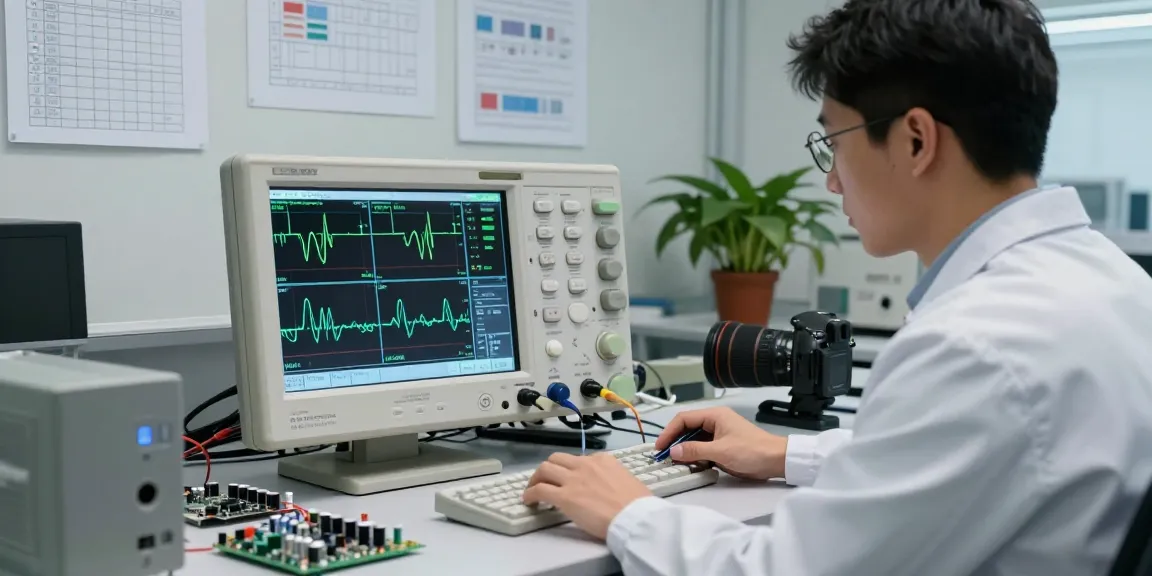
A 4-channel oscilloscope is an advanced measurement instrument that allows users to observe multiple electrical signals simultaneously. Unlike traditional 2-channel oscilloscopes, the ability to monitor four channels enhances the analysis of complex interactions between various signals. This feature is particularly beneficial when testing circuit components where timing relationships between inputs and outputs are crucial.
With each channel capable of independent vertical scaling, users can easily compare signals at different voltage levels, gaining deeper insights into the performance of electronic systems. Whether used in an educational setting or a professional workshop, 4-channel oscilloscopes like the HANMATEK DOS1104 are indispensable for engineers and technicians.
Key Benefits of Using a Desktop Oscilloscope
- Enhanced Analysis: The capability to track multiple signals helps in diagnosing issues effectively.
- Improved Efficiency: Time-saving through simultaneous monitoring reduces analysis time.
- Versatility: Ideal for various applications, including circuit diagnostics, waveform analysis, and educational demonstrations.
- Compact Design: The portability of models like the HANMATEK DOS1104 means they can be easily moved between workstations.
Comparing Models: Choosing the Right Oscilloscope for Your Needs
When selecting an oscilloscope, several factors must be considered, including bandwidth, sampling rate, and the number of channels. For professionals working in fast-paced environments, opting for a model with at least 100 MHz bandwidth, such as the HANMATEK DOS1104, can significantly improve the quality of measurements and analysis. Understanding specific requirements for applications, such as automotive diagnostics versus educational use, will ultimately guide your decision.
Key Specifications Explained
A well-informed purchase of an oscilloscope hinges on understanding its critical specifications. Below are essential aspects to consider:
Bandwidth and Sampling Rate: What You Need to Know
Bandwidth refers to the range of frequencies an oscilloscope can measure and accurately display. The HANMATEK DOS1104 has a bandwidth of 110 MHz, making it suitable for observing fast signals commonly found in digital circuits. Meanwhile, the sampling rate, expressed in samples per second (Sa/s), indicates how frequently the oscilloscope samples a waveform. Higher sampling rates allow for more accurate representation of fast-moving signals, crucial for advanced electronic troubleshooting.
Input Channels: Advantages of Multi-Channel Analysis
As discussed previously, multi-channel oscilloscope models excel in applications requiring comparative analysis of several signals. The four channels on the DOS1104 enable users to observe multiple parameters of a circuit in real time, such as inputs and outputs of a switching power supply. This capability helps in diagnosing phase shifts or signal timing issues that could affect circuit functionality.
Portability Features: How Design Impacts Usability
The design of benchtop oscilloscopes like the HANMATEK DOS1104 enhances their usability, especially in fieldwork. Built to be lightweight and compact, this oscilloscope does not compromise performance while being easy to transport. Additionally, the device is equipped with a high-resolution display, making it simple to interpret waveforms, regardless of your working environment.
Typical Use Cases for the DOS1104
The versatility of the HANMATEK DOS1104 makes it suitable for various applications across different industries. Below are standard scenarios in which this oscilloscope excels:
Applications in Electronics and Engineering
One of the primary uses of the DOS1104 is in electronics development and testing. Engineers rely on this oscilloscope for troubleshooting circuits, validating design parameters, and improving product development processes. Its capability to simultaneously display multiple waveforms is particularly useful when assessing circuit performance under different conditions.
Educational Uses: Enhancing Learning in Academic Environments
In educational institutions, the DOS1104 serves as an effective teaching tool. Its user-friendly interface and multi-channel functionality allow students to grasp complex electronic concepts easily. By observing real-time waveforms and patterns, students can engage in hands-on learning that reinforces theoretical knowledge.
Field Diagnostics: Benefits of Portability in Real-World Situations
For professionals conducting fieldwork, the portability of the HANMATEK DOS1104 offers significant advantages. Whether performing maintenance on industrial equipment or troubleshooting in various environments, the ability to bring this oscilloscope directly to the site enhances efficiency and effectiveness in problem-solving.
Step-by-Step Guide: How to Use the HANMATEK DOS1104
Understanding how to operate the DOS1104 effectively can significantly enhance your testing capabilities. Here’s a step-by-step guide:
Setting Up Your Oscilloscope
- Connect the oscilloscope to a power source and turn it on.
- Connect the appropriate probes to the desired input channels.
- Adjust the vertical scale and time base settings to match the signals you plan to measure.
Analyzing Waveforms: Tips and Techniques
For effective waveform analysis, it is crucial to adjust trigger settings properly to stabilize the display. Observing the signal in trigger mode allows for more precise measurements and a clearer understanding of signal behaviour. Try utilizing the math functions available on the DOS1104 to calculate the difference or product of signals, further enhancing your analysis capabilities.
Common Troubleshooting: Resolving Issues Effectively
If you encounter issues while using the oscilloscope, check connections and ensure probes are properly grounded. A lack of grounding can lead to inaccurate readings. Additionally, if the signal appears noisy, consider adjusting the bandwidth settings to filter out unwanted frequencies.
Future Trends in Oscilloscope Technology
The oscilloscope industry is on the cusp of significant advancements that promise to enhance functionality and usability. As we look to the future, several trends are anticipated:
Innovations to Expect by 2026
Future oscilloscopes are expected to incorporate advanced analytics features, such as AI-based waveform analysis, which can automatically identify anomalies and suggest potential issues. Furthermore, increased connectivity options will enable seamless integration with other digital tools and platforms, streamlining the workflow for engineers.
Integration with IoT Devices: A New Frontier
With the rising ubiquity of IoT devices, oscilloscope manufacturers are looking to develop models that can interact with these devices directly. The ability to analyse data from sensors in real-time will provide engineers with comprehensive insights, ultimately driving more informed decisions in product design and troubleshooting.
Expert Predictions for the Electronics Testing Industry
Experts predict a growing emphasis on sustainability and energy efficiency in the design of testing equipment. As the industry shifts towards greener practices, oscilloscopes will likely evolve to consume less power while maintaining or enhancing their performance metrics.
What is the Warranty on Hanmatek DOS1104?
The Hanmatek DOS1104 comes with a 2-year warranty that covers manufacturing defects. This assurance provides users with peace of mind, knowing that their investment is protected.
Can This Oscilloscope Capture Transient Events?
Yes, the HANMATEK DOS1104 is capable of capturing transient events thanks to its high sampling rate and single-capture mode. This functionality is crucial for diagnosing issues in fast-switching circuits.
How Does It Compare to Other 4-Channel Oscilloscopes?
Compared to competitors, the DOS1104 stands out due to its combination of features, including its bandwidth, customizable settings, and portability. Users looking for an affordable yet comprehensive measurement device will find the DOS1104 an excellent choice.