Introduction to Cape Cod Homes
The charm of cape cod homes lies in their storied past and distinctive architectural style. Originating in the early 17th century, these homes reflect a rich history intertwined with the coastal landscapes and cultural heritage of New England. Their appeal endures, adapting to modern tastes while retaining the elements that make them timeless classics.
Historical Significance
Cape Cod homes first emerged during the colonial period as simple, functional dwellings for early settlers. Characterized by their steep roofs, dormer windows, and symmetrical shape, these homes were designed to withstand the harsh coastal winds and northern winters. They were often built using local materials, highlighting the resourcefulness of the settlers. As architecture evolved, Cape Cod homes maintained their core characteristics while integrating new design elements influenced by various styles.
Architectural Features
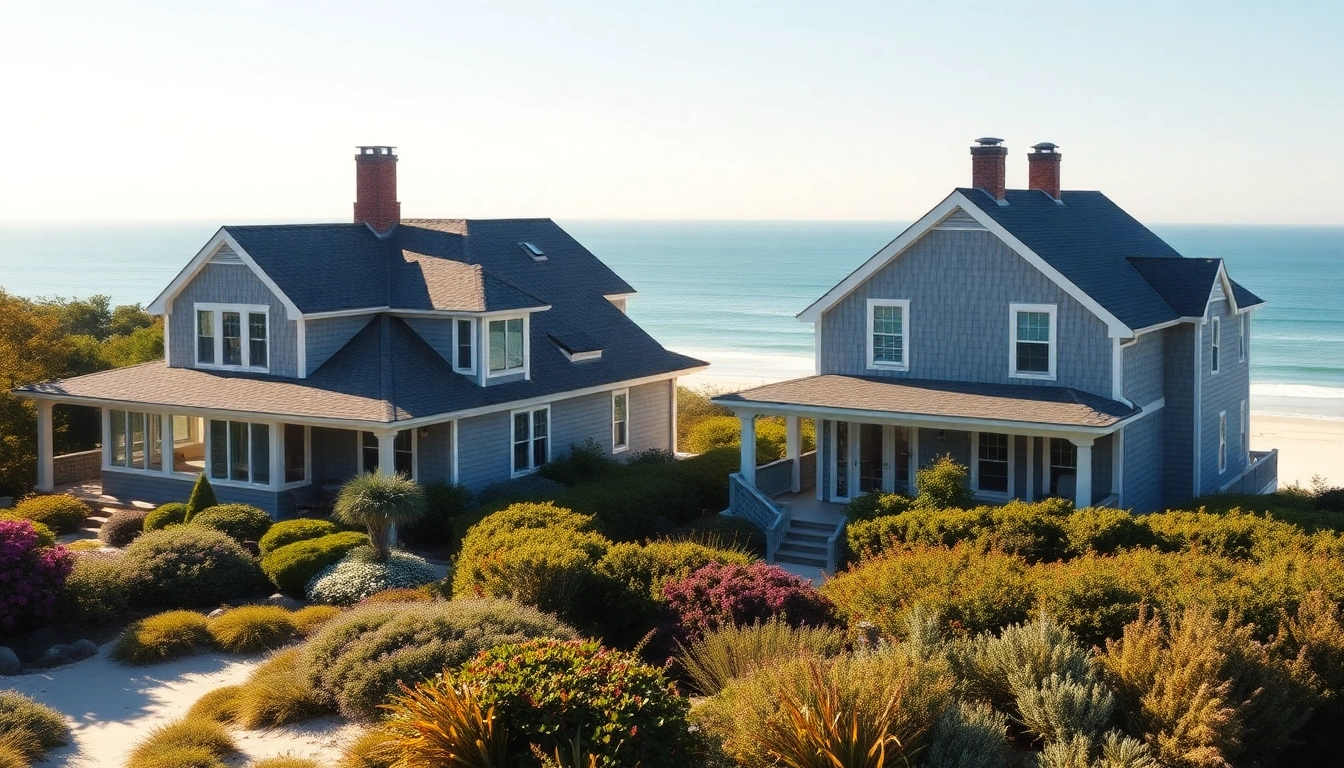
At the heart of Cape Cod architecture are specific design elements that distinguish them from other styles. They typically feature low, sloping roofs, centrally located front doors, and double-hung windows that allow for optimal ventilation. The exterior is often clad in wood siding painted in soft hues that blend seamlessly with the natural surroundings. Inside, the layout is characterized by open spaces, maximizing light and comfort, while traditional fireplaces serve as focal points in the living spaces.
Modern Interpretations
Today, modern interpretations of Cape Cod homes incorporate innovative designs and sustainable practices, appealing to a contemporary audience. Architects seek to preserve the integrity of the original design while enhancing functionality and energy efficiency. Features like open floor plans, sophisticated kitchens, and eco-friendly materials reflect the changing needs of homeowners, proving that classic style can successfully coexist with modern living.
Key Design Elements of Cape Cod Homes
Roof Styles and Pitch
The hallmark of Cape Cod homes is undoubtedly their iconic roof. Typically steeply pitched, these roofs are designed to allow snow and rain to slide off easily, minimizing the burden of weight during winter months and ensuring durability. The simplicity of these roofs also contributes to the aesthetic appeal, providing a clean, classic silhouette against the sky. Variations in roof styles can include gables or hip roofs, offering subtle differences that enhance each home’s uniqueness.
Exterior Materials
Traditional Cape Cod homes are predominantly constructed from wood, which was abundantly sourced by early settlers. Cedar shingles are a popular choice for roofing and siding due to their longevity and resistance to moisture. Aside from wood, brick and stone are increasingly utilized in modern adaptations, offering diversity in durability and style. Colors are often inspired by nature, including muted greens, soft blues, and earthy grays, that evoke a sense of calm and connection to the coastal environment.
Interior Layouts and Functionality
Inside, the layout of a Cape Cod home is typically designed to foster interaction and create warmth. Open-plan designs promote family gatherings, while separate spaces retain their unique functions without feeling isolated. Multi-functional areas are common, allowing rooms to be used for various purposes throughout the day. Traditional wood beams and built-in cabinetry can enhance functionality while adding a touch of charm and character to the home.
Benefits of Cape Cod Homes
Energy Efficiency
One of the standout benefits of Cape Cod homes is their inherent energy efficiency. The designs maximize natural light and airflow, reducing reliance on artificial heating and cooling. Insulation is another key feature, typically using advanced materials that meet modern efficiency standards, resulting in lower energy bills and a reduced carbon footprint. These homes also tend to have smaller footprints, making them inherently more energy-efficient than larger, sprawling designs.
Adaptability to Coastal Weather
Given their geographic origins, Cape Cod homes are incredibly well-suited to withstand coastal weather conditions. The steep roofs prevent snow buildup and promote effective rain runoff, while sturdy construction materials resist the damaging effects of saltwater and wind. Many modern Cape Cod designs incorporate elevated foundations to mitigate flooding during storms, further enhancing their resilience against environmental challenges.
Timeless Aesthetic Appeal
The timeless appeal of Cape Cod homes is undeniable. Their classic lines and harmonious proportions evoke a sense of nostalgia, which resonates with homeowners seeking both comfort and elegance. The blend of traditional design with modern amenities enables these homes to maintain relevance across decades, fulfilling the desires of buyers drawn to architectural integrity and history.
Challenges in Cape Cod Home Construction
Building Regulations
Constructing Cape Cod homes involves navigating a myriad of building regulations and codes, which can vary significantly by location. Zoning laws may impose restrictions on height, aesthetics, and usage, complicating the building process. Navigating these regulations requires careful planning and often the assistance of architects and builders well-versed in local laws to ensure compliance and avoid costly delays.
Site Selection Considerations
Choosing the right site for a Cape Cod home is crucial. Coastal sites offer breathtaking views but present unique challenges, including erosion and flooding risks. Assessing soil quality, drainage patterns, and proximity to services is essential for long-term viability. Additionally, it is wise to consider environmental impact and sustainability during site selection to minimize ecological disruption and preserve the surrounding beauty.
Infrastructure and Accessibility
While many Cape Cod homes are set in picturesque locations, ensuring access to necessary infrastructure—such as roads, utilities, and drainage—is vital. These elements significantly affect both the lifestyle of residents and the long-term maintenance of the home. Developers and owners must strategize ways to enhance accessibility without compromising the aesthetic and historic value of the architecture.
FAQs about Cape Cod Homes
What defines a Cape Cod home?
A Cape Cod home is typically characterized by its steeply pitched roof, symmetrical facade, dormer windows, and wood siding. These features are designed to withstand coastal weather while offering a classic aesthetic.
Are Cape Cod homes suitable for year-round living?
Yes, Cape Cod homes are well-suited for year-round living. Their solid construction and energy-efficient designs make them comfortable and practical in various climates.
What materials are commonly used?
Common materials for Cape Cod homes include wood for siding and roofing, often cedar, alongside brick or stone. These materials are chosen for their durability and coastal resilience.
How do I maintain a Cape Cod home?
Maintenance involves regular inspections of roofing, siding, and foundations, along with painting and sealing wood to prevent decay. Keeping gutters clean ensures proper drainage and reduces wear on the structure.
Can Cape Cod designs be modernized?
Absolutely! Modernizing Cape Cod homes can involve open floor plans, eco-friendly materials, and contemporary finishes while still respecting traditional design elements.