
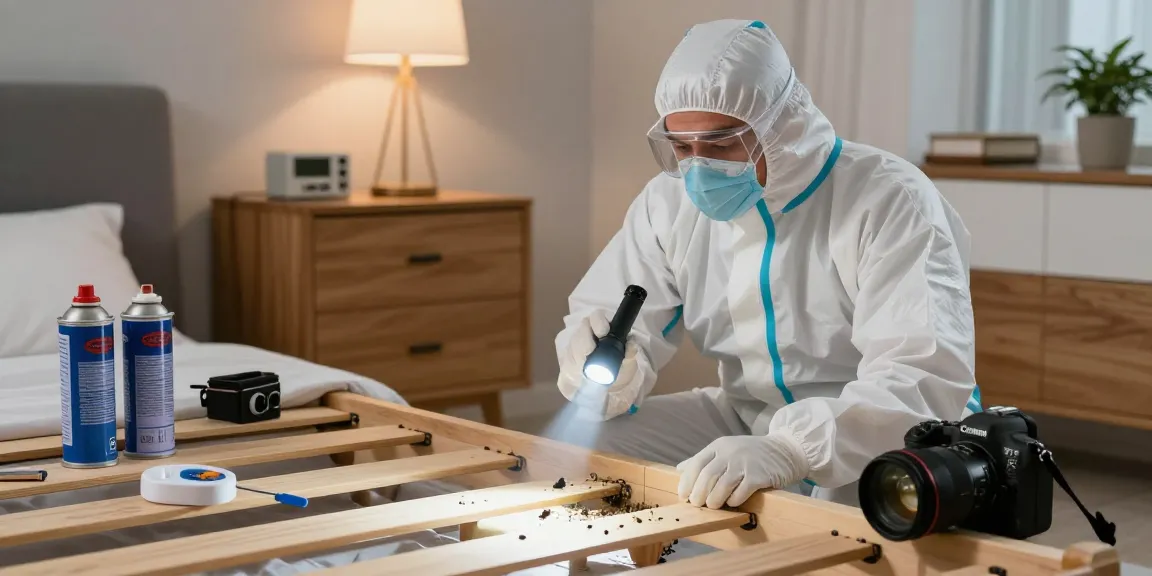
Understanding Bed Bugs
Bed bugs are small, nocturnal insects that primarily feed on human blood. These pests have become increasingly problematic in urban areas, where they can easily hitch a ride on clothing, luggage, or used furniture. Unfortunately, detecting an infestation can be challenging, as these insects are adept at hiding and may not be visible during the daylight hours. The urgency to address bed bug problems effectively cannot be overstated, as their bites can lead to discomfort and anxiety. When seeking help, understanding bed bug treatment options is crucial for effective eradication.
What Are Bed Bugs?
Bed bugs belong to the Cimicidae family and are scientifically known as Cimex lectularius. These tiny, reddish-brown insects measure about 1 to 7 millimeters in length, making them visible to the naked eye. Despite their small size, they pose a significant threat to residential and commercial environments due to their rapid reproduction and ability to survive without feeding for several months. Understanding their life cycle is essential for effective pest management.
Common Signs of Infestation
Identifying a bed bug infestation early can save homeowners considerable time and financial resources. Common signs include:
- Itchy bites on the skin, often in clusters or lines.
- Small bloodstains on bedding or upholstery.
- Dark spots on mattresses, which are indications of fecal matter.
- Eggs or shed skins in hiding spots such as seams of mattresses or behind headboards.
Being vigilant and aware of these signs can help in taking timely action against bed bugs.
Why Timely Bed Bug Treatment Matters
Addressing a bed bug infestation promptly is vital for multiple reasons. Firstly, bed bugs reproduce rapidly; a single female can lay up to 500 eggs in her lifetime, leading to exponential population growth in a short period. Secondly, the longer the infestation goes untreated, the more difficult and costly the eradication becomes. Lastly, the psychological impact of having bed bugs can affect the well-being of those affected, leading to stress and anxiety. Therefore, considering professional help for bed bug treatment should be a top priority for anyone suspecting an infestation.
Bed Bug Treatment Options
When it comes to eradicating bed bugs, several treatment options are available. Each method has its advantages and considerations, making it essential to understand the best approach for your specific situation.
Heat Treatment Explained
Heat treatment involves raising the temperature of the infested area to a level that is lethal to bed bugs and their eggs, typically around 120°F (49°C). This method is highly effective because it can kill all life stages of bed bugs, including eggs, in a single session. Heat treatment is also eco-friendly, minimizing the need for chemical pesticides. It is crucial, however, to ensure that the entire space reaches the required temperature to avoid leaving any bugs behind.
Chemical Spray Treatments: Benefits and Limitations
Chemical spray treatments involve using residual insecticides to eliminate bed bugs. These treatments can provide a lasting effect, often up to 120 days, as they leave a protective barrier that deters re-infestation. The effectiveness of chemical sprays can be influenced by factors such as the preparation of the area, the application techniques, and the types of chemicals used. While they are highly effective, they often require a more rigorous preparation process compared to heat treatments.
Combining Methods for Maximum Efficacy
For severe infestations, a combination of heat and chemical treatments may yield the best results. This integrated pest management approach leverages the strengths of both methods, ensuring that any bugs that survive the initial treatment can be targeted with residual insecticides. Professional exterminators often recommend this strategy for thorough elimination and peace of mind.
Preparing Your Home for Treatment
Before any treatment begins, homeowners must prepare their living spaces to maximize the effectiveness of the chosen methods and ensure safety.
Steps to Take Before Treatment Begins
Preparation steps include:
- Decluttering the area to give exterminators clear access to infested locations.
- Laundering bedding, clothing, and other fabrics in hot water to kill any bed bugs.
- Vacuuming thoroughly, especially in areas where bed bugs may hide.
- Removing or treating any suspected infested furniture or belongings.
By proactively preparing your home, you enhance the efficacy of the treatment while minimizing the risk of bed bugs returning.
Creating a Safe Environment for Family and Pets
During bed bug treatment, it is crucial to keep family members and pets safe. Homeowners should remove pets from the premises before treatment begins and inform all individuals about the treatment schedule. Moreover, it’s essential to follow any specific instructions given by the pest control professionals to avoid exposure to chemicals or heat.
Dealing with Furniture and Belongings
Furniture and belongings may require special attention during treatment. Those that cannot be treated should be stored away from the infested area. Utilizing protective covers on mattresses and furniture can help prevent re-infestation after treatment. It is also advisable to avoid moving items from one room to another, as this can spread bed bugs further.
Post-Treatment Care and Prevention
Once treatment is complete, the focus shifts to post-treatment care and long-term prevention strategies to ensure that bed bugs do not return.
Monitoring for Reinfestation Signs
After treatment, vigilance is key. Homeowners should regularly check for any signs of bed bugs, such as bites, dark spots, or live bugs. Setting up bed bug interceptors under mattress legs can aid in monitoring ongoing activities. If any signs are detected, it is crucial to contact pest control experts immediately.
Long-Term Prevention Strategies
To minimize the risk of re-infestation, consider the following strategies:
- Regularly inspect and clean your bedding and mattress.
- Use protective encasements on mattresses and box springs.
- Be cautious when traveling; inspect hotel rooms and keep luggage elevated.
- Educate family members and guests about bed bug awareness and prevention.
When to Call Professionals Again
If signs of bed bugs reappear after treatment, it may be necessary to consult pest control specialists again. Quick action can prevent a small issue from becoming a larger infestation. Regular pest inspections should also be part of your home maintenance plan.
Expert Insights and Case Studies
Learning from the experiences of others can provide valuable insights into effective bed bug management strategies.
Real-World Success Stories in Milwaukee
Many residents of Milwaukee have successfully eradicated bed bugs through the combination of professional treatments and homeowner diligence. Case studies reveal that properties that enact thorough prevention tactics post-treatment are far less likely to experience re-infestation. For instance, one residential building that adopted an integrated pest management approach saw a significant decline in bed bug sightings, providing a model for effective control in multifamily settings.
Expert Interviews on Best Practices
Interviews with pest control professionals consistently highlight the importance of early detection and proactive measures for bed bug prevention. They emphasize the need for ongoing education about identifying bed bug signs and understanding their behavior for better management.
Future Trends in Bed Bug Control Techniques
As the battle against bed bugs continues, experts predict advancements in technology will play a significant role in pest control. Innovations such as thermal imaging to locate hidden infestations and improvements in chemical formulations are being researched to provide more effective solutions for homeowners.
What is the best bed bug treatment method?
The best treatment method varies based on the severity of the infestation and the individual’s circumstances. Often, a combination of heat and chemical treatments yields the most effective results, ensuring all life stages of bed bugs are eliminated.
How to identify bed bug bites?
Bed bug bites often appear as small, red welts on the skin, usually in clusters or lines. They can sometimes be mistaken for other insect bites, so it is essential to look for additional signs of infestation to confirm a bed bug problem.
What should I do if I suspect a bed bug infestation?
If you suspect an infestation, it is crucial to act quickly. Begin by inspecting your sleeping areas, and if you find evidence of bed bugs, contact a pest control professional for a thorough evaluation and treatment.
Are DIY treatments effective for bed bugs?
While some DIY treatments may kill individual bed bugs, they are generally not effective for eliminating a full-blown infestation. Professional treatments are recommended for thorough eradication.
How often should bed bug inspections be conducted?
Regular inspections should be part of your home maintenance plan, especially if you travel frequently or often bring used items into your home. A professional inspection every six months can help catch any potential issues early.