Understanding Colonial Home Construction
The allure of colonial homes remains timeless, inspiring countless homeowners and builders alike. The distinct architectural features, rich historical significance, and timeless appeal make colonial home construction a popular choice. Understanding the intricacies involved in constructing a colonial home is vital for anyone looking to build in this storied style.
Historical Significance and Characteristics
Colonial architecture, which originated in the early 17th century, emerged as British colonists settled in America, bringing with them building styles reflective of their heritage. These homes often symbolize a pastoral ideal, evoking a sense of nostalgia and tradition. Characterized by symmetry, gabled roofs, and decorative brick or wood siding, colonial homes have distinct regional variations that tell the story of their geographical origins.
Essential Design Elements of Colonial Homes
The design elements of colonial homes are rooted in practicality and aesthetic appeal. Typically, they feature:
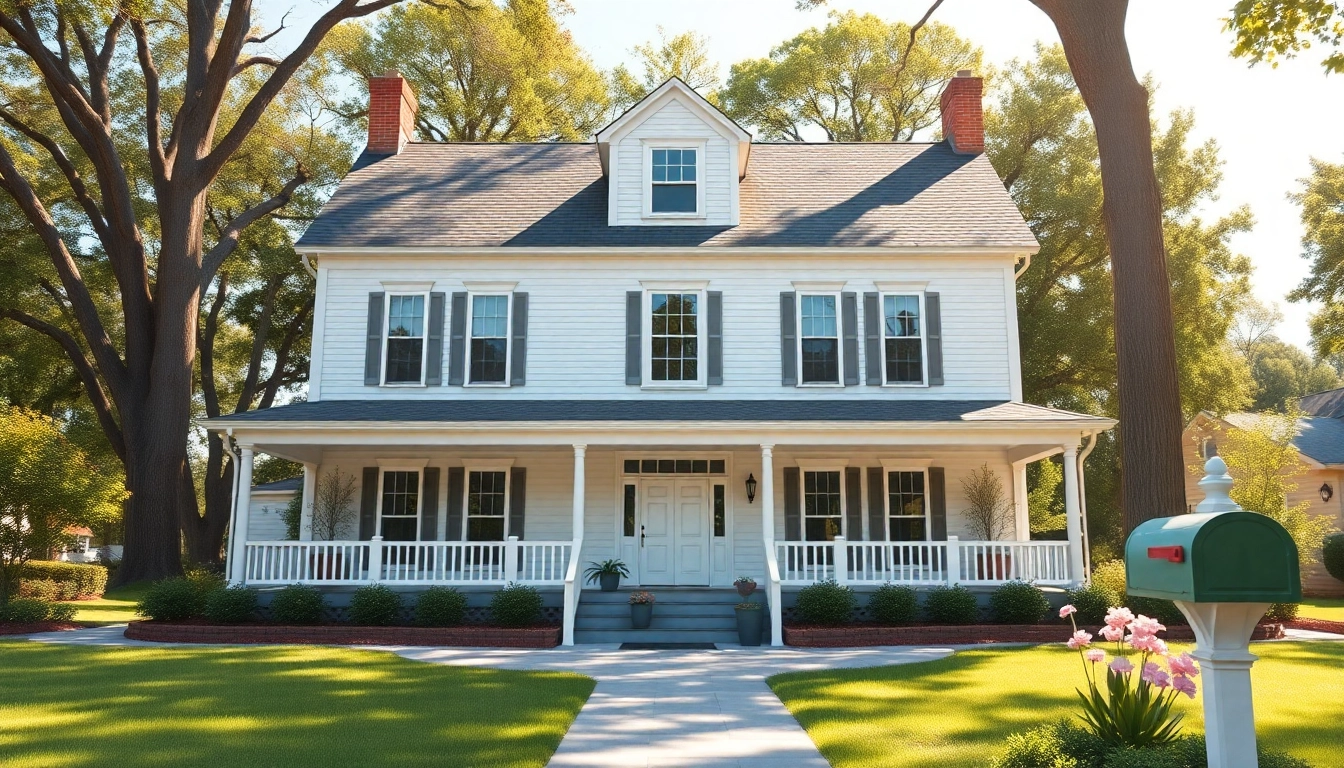
- Symmetrical Facades: Colonial homes are often designed with a balanced appearance, with evenly spaced windows and an entrance in the center.
- Multiple Stories: Many colonial homes are two or three stories, allowing for ample living space.
- Chimneys: A defining feature, chimneys are often located at either end of the building or in the center, reflecting the home’s historical function.
- Porches and Verandas: Many colonial designs include inviting porches, enhancing outdoor living.
Regional Variations in Colonial Architecture
Different regions of the United States have developed their own styles of colonial architecture, influenced by climate, materials, and cultural backgrounds. For instance:
- Georgian: Found in the Northeast, this style is known for its grandeur, with tall windows and elaborate cornices.
- Federal: An extension of Georgian design, emphasizing elegance and detailing, often seen in the Mid-Atlantic.
- Spanish Colonial: Predominantly found in the Southwest, featuring stucco surfaces and red-tiled roofs.
Planning Your Colonial Home Construction
Land Selection and Site Considerations
Selecting the right land is critical in ensuring your colonial home fits harmoniously within its surroundings. Look for sites that allow for ample outdoor space, as colonial homes often benefit from larger lots. Factors such as topography, traffic, and proximity to amenities should also be evaluated to ensure a suitable living environment.
Budgeting Your Colonial Home Project
Budgeting for a colonial home involves several components, including land costs, materials, labor, and permits. It’s essential to create a comprehensive budget that accurately reflects the cost of traditional materials, which may be more expensive than modern alternatives. Consider setting aside a contingency fund for unforeseen expenses during construction.
Permits and Regulations for Construction
Before breaking ground on your colonial home, familiarize yourself with local zoning laws and building codes. These regulations can influence your design, especially regarding the height, footprint, and materials used. Engaging with local authorities early in the planning phase can streamline the permitting process.
Materials Used in Colonial Home Construction
Traditional versus Modern Materials
Colonial homes traditionally utilize materials like wood, brick, and stone, which offer durability and aesthetic appeal. Modern construction techniques have introduced alternatives such as vinyl, fiberglass, and engineered wood. While these materials can reduce costs and maintenance, they might not achieve the same authentic look.
Energy-Efficient Options for Colonial Designs
Incorporating energy-efficient materials and technologies can enhance the sustainability of your colonial home. Options such as insulated windows, energy-efficient HVAC systems, and sustainably sourced materials align modern convenience with colonial charm, reducing the home’s carbon footprint.
Durability and Sustainability in Material Selection
Choosing materials with longevity can significantly impact the longevity of a colonial home. Opt for high-quality woods, galvanized metals, and stone with a proven track record to withstand the elements. Sustainable practices, such as sourcing from local resources and choosing recyclable materials, further contribute to a responsible construction approach.
Building Techniques for Colonial Homes
Foundational Approaches in Colonial Construction
Proper foundation work is crucial for colonial homes, as they often bear significant weight due to their multiple stories. A deep, sturdy foundation made of concrete or stone ensures stability. Techniques such as pier and beam or slab foundations can be employed based on land conditions and local climate.
Framing Techniques: Timber versus Steel
Traditionally, colonial homes were framed using timber which allows for flexibility and ease of construction. However, steel framing is gaining popularity due to its strength and resistance to pests and rot. An informed choice between these materials can balance historical authenticity with modern efficiency.
Architectural Finishing Touches in Colonial Homes
Finishing touches can elevate the overall appearance and feel of a colonial home. Custom moldings, wainscoting, and period-appropriate fixtures add depth and character, while maintaining the architecture’s historical integrity. Each detail reinforces the colonial style, making the home feel cohesive and thoughtfully constructed.
Maintaining Your Colonial Home
Regular Upkeep and Repairs
Owning a colonial home requires commitment to regular maintenance to preserve its condition. Regular inspections of roofing, siding, and landscaping are crucial. Additionally, addressing repairs in a timely manner, especially for wooden elements prone to rot, preserves the home’s value.
Restoration Tips for Heritage Elements
Restoring heritage elements, such as original moldings or windows, can enhance historical value. Use appropriate materials and techniques that respect the original craftsmanship. Engaging a professional conservator may be beneficial in ensuring authentic restoration that follows best practices for preservation.
Integrating Modern Amenities with Colonial Styles
Blending modern amenities with the charm of colonial architecture is a delicate balance. Innovations like open floor plans, smart home systems, and updated plumbing should be designed to integrate seamlessly. Retaining façade elements and traditional layouts while enhancing functionality creates a timeless space.
Frequently Asked Questions
What defines a colonial home?
A colonial home is characterized by its symmetrical façade, central front door, and multi-story design, reflecting early American architectural influences.
Are colonial homes energy-efficient?
While traditionally built colonial homes may use less energy, modern techniques and materials can significantly improve their energy efficiency.
What is the average cost of building a colonial home?
The cost can vary greatly based on location, materials, and design complexity, often ranging from $150 to $300 per square foot.
How do I choose the right location for a colonial home?
Select a location with sufficient space, favorable zoning laws, and a suitable environment that complements the colonial style.
Can modern materials be used in colonial construction?
Yes, while traditional materials are common, modern materials can be used if they mimic the historical look and meet durability standards.