
Understanding the Biometric Attendance System
The evolution of workplace management tools has led to the rise of sophisticated technologies aimed at enhancing employee productivity and operational efficiency. One of the most prominent innovations in this realm is the biometric attendance system, a method that leverages unique biological traits to track employee attendance. As businesses worldwide increasingly adopt these systems, understanding their mechanisms and implications becomes crucial for organizations wanting to implement them effectively.
What is a Biometric Attendance System?
A biometric attendance system is a technology-based solution designed to streamline attendance management by utilizing distinctive biological characteristics of employees, such as fingerprints, facial recognition, or iris scans. Unlike traditional systems that rely on manual inputs or card swipes, biometric systems offer a more secure and efficient means of recording attendance. This technology ensures that attendance records are accurate, significantly reducing instances of time theft, buddy punching, and other forms of attendance manipulation.
How Biometric Technology Works for Attendance
Biometric attendance systems operate by scanning an individual’s unique physical traits and converting these traits into a digital template that can be stored and compared later. For example, in facial recognition systems, the software identifies key features of a person’s face, such as the distance between eyes or the shape of the jaw. This data is then used to create a unique biometric template that can be matched against future scans during check-in or check-out processes. The technology typically involves a camera or scanner, software for processing, and a database where the biometric data is securely stored.
User Privacy and Consent in Biometric Systems
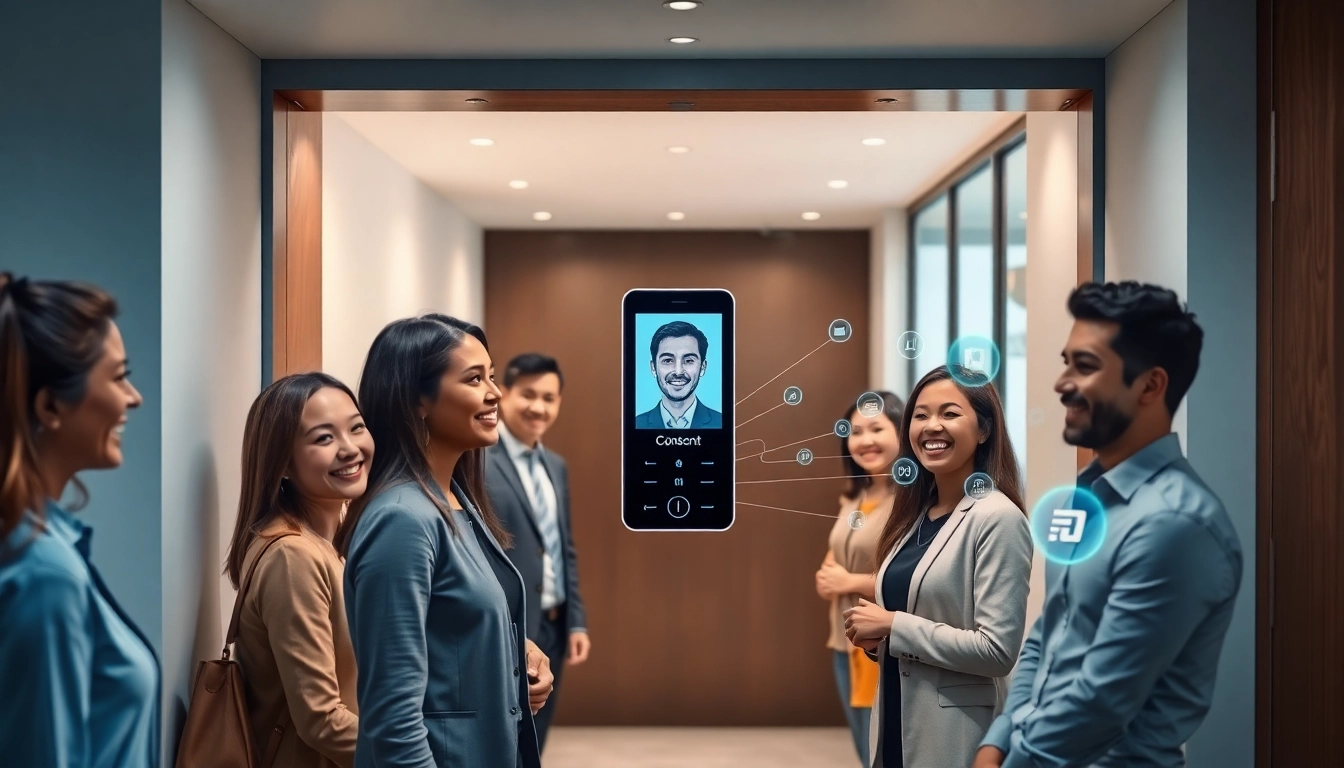
Privacy considerations are paramount in the deployment of biometric attendance systems. Organizations must ensure that they operate within legal frameworks governing data protection and privacy. With solutions like ClockInFace, explicit user consent is integral to the attendance tracking process; facial recognition only occurs when employees actively initiate the action. This transparency builds trust and empowers employees, allowing them to understand how their biometric data will be used and stored, fostering a culture of responsibility in biometric practices.
Advantages of Facial Recognition for Attendance
Improved Accuracy and Efficiency
One of the key advantages of using facial recognition technology in attendance systems is the improved accuracy it offers. Traditional methods, such as manual entry, are often prone to human error. In contrast, biometric systems eliminate much of this risk. Facial recognition can process and identify individuals in mere seconds, streamlining the check-in process. This efficiency not only saves time but also allows for more accurate attendance records, ultimately enhancing organizational productivity.
Reducing Time Theft with Biometric Solutions
Time theft can significantly impact an organization’s bottom line. Biometric attendance systems mitigate this issue by ensuring that employees are physically present when clocking in or out. By using features like facial recognition, organizations can eliminate the possibility of buddy punching—where one employee clocks in for another. The result is a more honest and accountable workplace culture, where attendance reflects actual hours worked.
Enhancing Security in Attendance Tracking
Security is a primary concern for many organizations, especially when sensitive data is involved. Biometric attendance systems enhance security by providing a robust verification process. Given that biometric data is unique to each individual, it is much harder to forge than traditional ID badges or passwords. Furthermore, systems like ClockInFace only engage the recognition process when the employee chooses to initiate it, preventing unauthorized tracking and ensuring compliance with privacy regulations.
Implementation Steps for Businesses
Assessing Organizational Needs and Readiness
Before adopting a biometric attendance system, businesses must undertake a thorough assessment to determine their specific needs. This includes evaluating the size of the workforce, the nature of operations, and existing attendance challenges. By identifying these factors, organizations can better tailor their biometric solutions to meet their requirements. Moreover, readiness assessments help gauge employee acceptance and any potential resistance to new technologies.
Choosing the Right Hardware and Software
Choosing the appropriate hardware and software is critical for the successful implementation of a biometric attendance system. Organizations can opt for cloud-based solutions like ClockInFace, which do not require proprietary hardware. This flexibility allows businesses to deploy the system on existing devices with modern web browsers, significantly reducing upfront costs. Additionally, organizations should consider the scalability of the solution, ensuring it can grow alongside the business.
Integrating with Existing Systems via API
Many organizations operate on a multitude of software systems for various functions. To maximize the utility of a biometric attendance system, integration with existing payroll and HR systems is essential. ClockInFace offers a RESTful API that facilitates seamless integration, allowing for real-time attendance data to flow into HR management software without the need for manual entries. This automation can lead to a significant reduction in administrative overhead, allowing HR professionals to focus on more strategic initiatives.
Real-World Applications of Biometric Attendance Systems
Case Studies of Successful Implementations
Several organizations have successfully implemented biometric attendance systems, showcasing their effectiveness across different industries. For instance, a manufacturing company adopted a facial recognition system that reduced attendance-related fraud by over 40%. With clear visibility over employee attendance patterns, management could address productivity issues more proactively. In the healthcare sector, a hospital used biometric systems to ensure that patient-facing staff clocked in at the right times, thereby maintaining high service levels and ensuring accountability.
Industries Benefiting from Facial Recognition Technology
Various industries are leveraging the advantages of biometric attendance systems. From manufacturing and healthcare to education and retail, these solutions have found applications in environments that demand accuracy and accountability. Educational institutions are increasingly adopting face recognition technology to monitor student attendance, thereby enhancing security and ensuring that students are present for their classes.
Future Trends in Biometric Attendance Systems
The future of biometric attendance systems is likely to be characterized by further advancements in artificial intelligence and machine learning. As technology evolves, facial recognition systems will become even more accurate, faster, and user-friendly. Integration with other emerging technologies, such as IoT devices, may also lead to innovations that enhance the functionality of biometric systems, making them an integral part of workplace management.
Addressing Common Challenges with Biometric Systems
Overcoming Employee Resistance to Change
Implementation of new technologies can often meet with resistance from employees, particularly with systems that collect sensitive biometric data. To mitigate this, organizations should engage employees early in the transition process, providing clear information about the benefits of the system and how their data will be protected. Training sessions and demonstrations can help alleviate fears and promote acceptance.
Ensuring Compliance with Data Regulations
Compliance with data protection regulations is crucial when deploying biometric attendance systems. Organizations must ensure that they understand relevant laws such as GDPR or CCPA and implement practices that secure employee data. Utilizing systems that emphasize user consent, such as ClockInFace, can help organizations navigate these regulatory landscapes while maintaining transparency and trust with employees.
Continuous Improvement and Feedback Mechanisms
Once implemented, organizations should establish feedback mechanisms to gather insights about the biometric attendance system’s effectiveness. Regular assessments can help identify areas for improvement and ensure the system remains aligned with organizational goals. By fostering a culture of continuous improvement, businesses can keep pace with technological advancements and employee needs, ensuring that their attendance systems remain relevant and effective.